How Often Should Bronx Supermarkets Inspect Their Kitchen Hoods, Exhaust Ducts & Fire Suppression Systems?
Commercial kitchen hood, grease duct, exhaust fan and fire suppression maintenance for Bronx supermarkets. Featuring a location-based case study of CTown Supermarkets at 809 Southern Boulevard, Longwood/Woodstock, Bronx, NY 10459.
244 5th Ave p255, New York, NY 10001
Phone: (917) 336-8116
Website: masterfiremechanical.com
Services: Commercial kitchen hood and exhaust systems, grease duct maintenance, fire suppression inspection, mechanical repairs and fire protection compliance support.
Service Area: Bronx, Manhattan, Brooklyn, Queens, Staten Island, Westchester County and select surrounding communities.


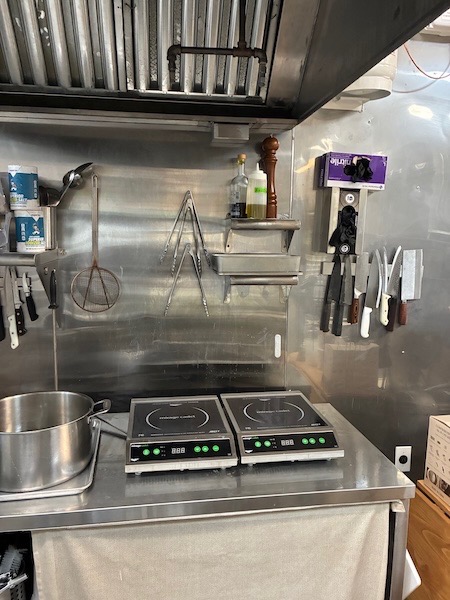
CTown Supermarkets is located at 809 Southern Boulevard, Bronx, NY 10459, in the Longwood/Woodstock area. This neighborhood supermarket provides a useful setting for explaining the fire protection and mechanical service needs of grocery stores with commercial food preparation areas.
The following is a location-based, illustrative case study. It does not establish that the CTown branch has particular cooking equipment, received an FDNY violation or hired Master Fire Mechanical for the work described.
Consider a supermarket preparing to review the safety of its deli and hot food operations. Management wants to confirm that any commercial cooking equipment, ventilation and fire suppression systems receive the proper maintenance.
Step One: Review the Supermarket's Cooking Operations
First, the service provider identifies which departments use commercial cooking equipment.
For example, a supermarket may have a hot food counter, deli kitchen or prepared-meal station. Some operations produce grease vapors and require suitable exhaust ventilation.
Next, the technician reviews the equipment layout and determines which systems need inspection.
As a result, management can build a maintenance plan around the store's actual operations.
Step Two: Inspect Any Commercial Kitchen Hood and Ductwork
If the supermarket operates a Type I cooking hood, qualified personnel should review the hood, grease filters, duct access points and exhaust fan.
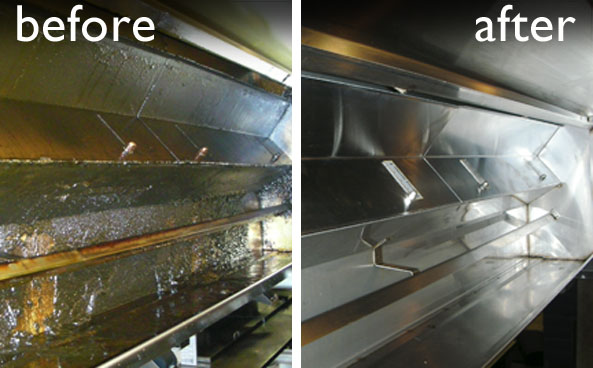
Grease can accumulate inside hidden duct sections. Therefore, a clean exterior does not guarantee a clean exhaust system.
In addition, technicians should look for mechanical problems, such as poor airflow, vibration or grease leaks.
The cleaning schedule should reflect cooking activity and applicable standards.
Step Three: Evaluate Fire Suppression Coverage
Next, a qualified technician reviews any automatic cooking fire suppression system serving the prepared-food area.
The inspection includes applicable nozzles, detection components, agent containers, piping and manual release devices.
Furthermore, the technician checks whether the cooking equipment matches the system's approved coverage.
For instance, adding a fryer can change the fire hazards beneath the hood. Therefore, equipment changes may require system modifications.
Step Four: Check Portable Extinguishers and Service Records
The review should also include portable extinguishers located throughout the relevant work areas.
Staff must keep extinguishers accessible and report visible damage. In addition, management should arrange required professional maintenance.
Next, the store should organize its inspection reports, cleaning records and repair documents.
Consequently, the operator can identify overdue work and prepare for future safety inspections.
Step Five: Establish a Supermarket Maintenance Calendar
Finally, management should coordinate the inspection and cleaning schedules for each system.
Automatic commercial kitchen suppression systems generally need professional service at least every six months. However, grease duct cleaning frequency depends on cooking volume and actual conditions.
Meanwhile, employees should report ventilation problems, damaged equipment and blocked fire protection devices promptly.
This approach helps supermarket operators address hazards before they become larger maintenance or compliance problems.
Master Fire Mechanical provides commercial fire protection and mechanical services throughout Longwood, Woodstock, Hunts Point, Mott Haven, Morrisania and surrounding Bronx neighborhoods.
Call (917) 336-8116 to discuss supermarket kitchen hood, exhaust duct and fire suppression maintenance.
How often should Bronx supermarkets inspect their kitchen hoods, exhaust ducts and fire suppression systems? For grocery stores with commercial cooking equipment, the answer depends on the cooking operation, fire hazards and applicable safety requirements.
Supermarkets may contain more than grocery shelves and checkout counters. Many stores also operate deli departments, hot food counters, bakeries and prepared-food kitchens. As a result, some locations need the same types of commercial cooking ventilation and fire protection systems found in restaurants.
However, not every supermarket has a commercial cooking hood or automatic kitchen suppression system. The equipment required depends on the actual operations.
Why Supermarket Fire Protection Requires Special Attention
A supermarket may operate several departments under one roof. For example, a prepared-food counter might use fryers, ovens, griddles or other cooking equipment. Meanwhile, refrigeration, electrical systems and customer areas create additional maintenance needs.
Where grease-producing cooking takes place, a suitable commercial hood and exhaust system may be necessary. In addition, applicable fire safety rules may require automatic cooking equipment suppression.
Therefore, store operators should review each department rather than assume one inspection covers every hazard.
Routine service helps identify grease buildup, damaged components, poor airflow and outdated maintenance records. Furthermore, early repairs may reduce the risk of equipment failure during busy operating hours.
How Often Should Supermarket Kitchen Suppression Systems Be Inspected?
Commercial cooking fire suppression systems generally require professional inspection and maintenance at least every six months. Qualified technicians must follow applicable New York City requirements and manufacturer instructions.
During service, they check system components, nozzle placement, detection devices and the protected cooking equipment.
For example, adding a fryer or moving a cooking appliance may affect suppression coverage. Consequently, the store should arrange a review before using the revised cooking line.
How Often Should Supermarket Hoods and Grease Ducts Be Cleaned?
The cleaning schedule depends on cooking volume, fuel type and grease buildup. Some high-volume operations need monthly cleaning. Other commercial kitchens may require quarterly or semiannual service.
However, visible hood cleanliness does not prove that the hidden ductwork is clean. Grease can collect above ceilings, inside ducts and around exhaust fans.
Therefore, professional cleaning should address the applicable exhaust system components, not just the hood canopy.
Commercial Kitchen Fire Safety in Longwood and Woodstock
CTown Supermarkets at 809 Southern Boulevard provides a local reference point for discussing supermarket fire protection in the Longwood/Woodstock area of the Bronx.
Its location illustrates the types of neighborhood businesses that may need coordinated mechanical and fire protection services. However, the specific cooking equipment and suppression systems at this branch have not been independently confirmed.
Master Fire Mechanical serves supermarkets, grocery stores, delis and commercial food preparation facilities throughout the Bronx.
Call (917) 336-8116 for commercial kitchen hood, exhaust duct and fire suppression system service.

How often should Bronx supermarkets inspect their commercial kitchen fire suppression systems?
Supermarkets with automatic commercial cooking fire suppression systems generally need professional inspection and maintenance at least every six months. Additional service may be necessary after equipment changes, a system discharge or a discovered defect.
How often should supermarket kitchen hoods and grease ducts be cleaned?
The cleaning interval depends on cooking volume, fuel type and grease buildup. High-volume operations may need monthly cleaning. Other kitchens may need quarterly or semiannual service. The applicable rules and actual system conditions determine the schedule.
Do all supermarkets need commercial kitchen hoods and fire suppression systems?
No. The requirements depend on the equipment and cooking operations. A supermarket with grease-producing commercial cooking may need a suitable hood, exhaust system and automatic fire suppression. A grocery store without those cooking hazards may have different requirements.
Can a supermarket receive an FDNY violation for grease buildup inside its exhaust duct?
Yes. Where applicable fire safety requirements govern a commercial cooking exhaust system, excessive grease buildup or poor maintenance may result in a violation. Cleaning only the visible hood surfaces may not address hidden grease deposits.
Does adding a fryer to a supermarket deli require a fire suppression review?
Yes. Adding or moving cooking equipment can affect hood capacity and fire suppression coverage. A qualified contractor should review the revised layout before the store operates the equipment.
What fire protection records should a Bronx supermarket maintain?
Store management should retain applicable fire suppression inspection reports, hood and duct cleaning records, repair documents, portable extinguisher service records and required permits or approvals. Organized records help support routine inspections and maintenance planning.
Which Bronx neighborhoods does Master Fire Mechanical serve?
Master Fire Mechanical serves Longwood, Woodstock, Hunts Point, Mott Haven, Morrisania, Melrose, Port Morris, Concourse, Highbridge, Fordham, Belmont, Tremont, East Tremont, Morris Park, Pelham Bay, Soundview, Castle Hill, Throggs Neck, Kingsbridge, Riverdale, Wakefield and surrounding Bronx communities. We also serve Manhattan, Brooklyn, Queens, Staten Island, Westchester County and select areas of Northern New Jersey and Long Island. Call (917) 336-8116.

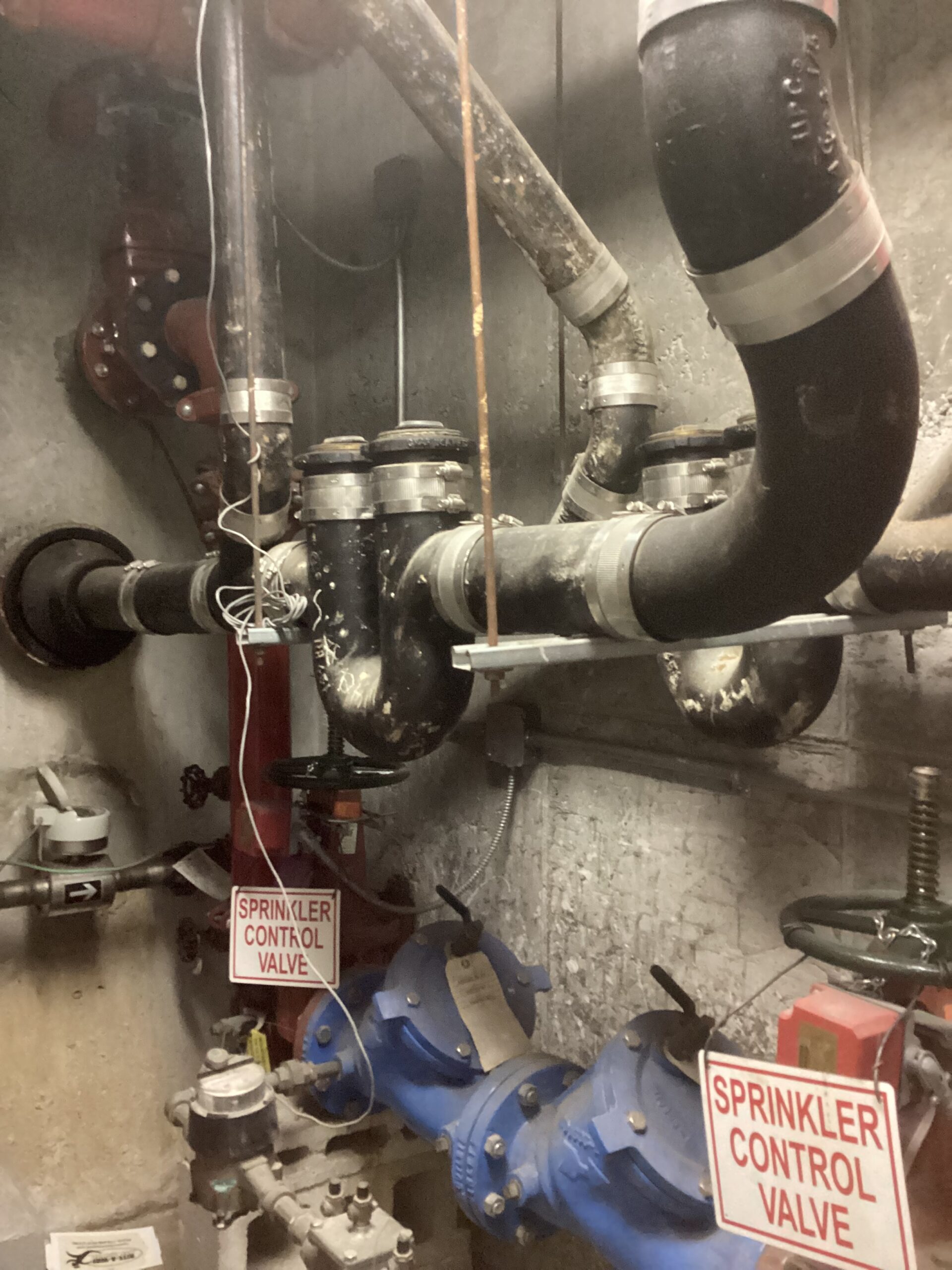
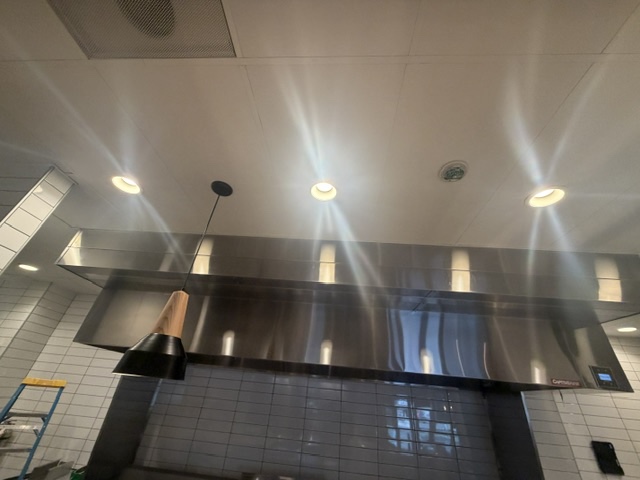
Bronx Supermarket Kitchen Hood and Fire Suppression Maintenance Schedule
| System or Task | Typical Service Frequency | Maintenance Focus |
|---|---|---|
| Automatic Cooking Fire Suppression | Generally every six months | Nozzles, detection, agent containers, activation controls and appliance coverage |
| High-Volume Grease Exhaust | Often monthly | Grease deposits in hoods, ducts and exhaust fans |
| Moderate-Volume Grease Exhaust | Often quarterly | Grease accumulation and cleaning access |
| Lower-Volume Grease Exhaust | May qualify for semiannual cleaning | Actual grease buildup and cooking activity |
| Solid-Fuel Cooking Exhaust | May require more frequent cleaning | Heavy deposits and solid-fuel cooking hazards |
| Exhaust Fans and Mechanical Parts | Routine checks and service as needed | Airflow, vibration, motors, belts and grease leaks |
| Portable Fire Extinguishers | Monthly visual checks and annual professional maintenance | Access, condition, suitability and service records |
| Cooking Equipment Changes | Before using the revised layout | Hood suitability and suppression coverage |
| Maintenance Documentation | After each service | Inspection reports, cleaning records, repairs and approvals |
These are general planning intervals. Actual requirements depend on the installed equipment, applicable NYC rules, adopted standards, cooking activity and manufacturer instructions.
Further Reading: Supermarket Kitchen Fire Protection
Supermarket operators planning a hot-food department or reviewing an existing commercial kitchen can learn more about hood construction, grease exhaust systems and routine fire suppression maintenance.
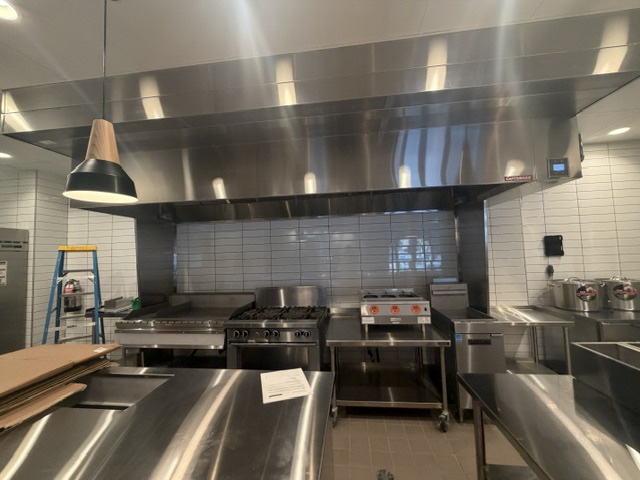
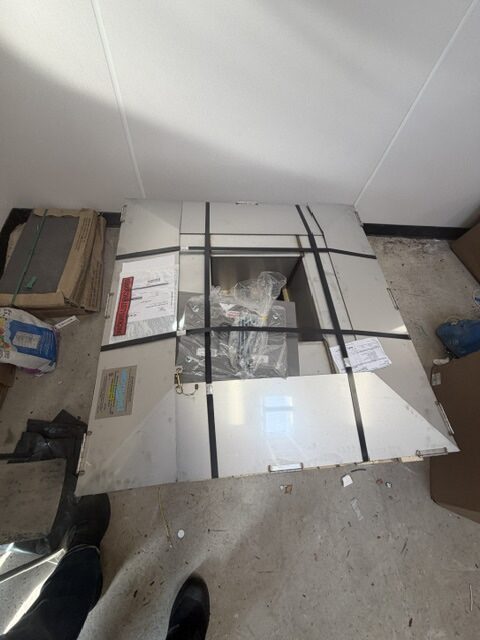
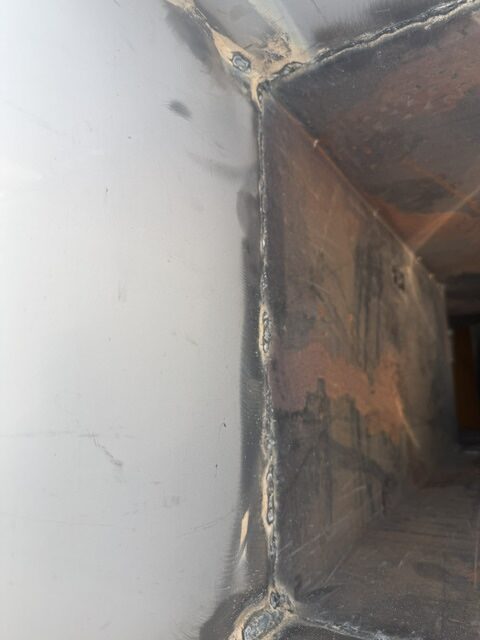
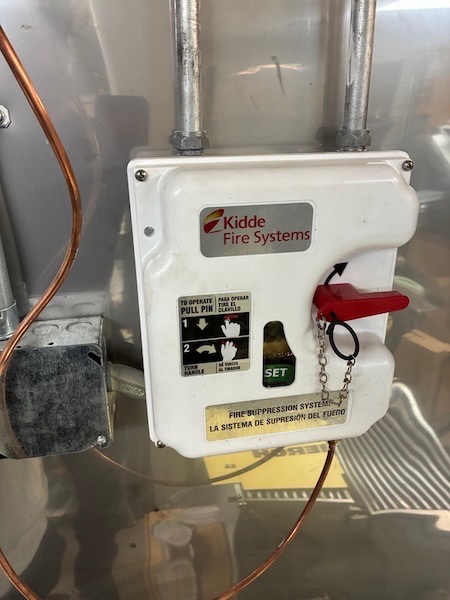
Supermarkets with commercial cooking areas need more than clean counters and working appliances. They also need suitable ventilation, maintained fire protection equipment and clear service records.
For example, a hot-food department may rely on a Type I hood, grease duct, exhaust fan and automatic fire suppression system. Each component requires attention.
Therefore, store managers should coordinate these services rather than wait for equipment problems or inspection notices.
Protect Your Bronx Supermarket's Food Preparation Areas
Master Fire Mechanical helps commercial food businesses review their fire protection and mechanical maintenance needs.
Services may include hood and exhaust system inspections, mechanical repairs, suppression system maintenance and equipment coverage reviews.
In addition, routine service helps operators identify grease buildup, worn components and missing maintenance records.
However, every supermarket has different equipment. A qualified assessment should determine which systems and inspection schedules apply.
Commercial Kitchen Fire Protection in Longwood and Woodstock
Our service area includes Longwood, Woodstock, Hunts Point, Mott Haven, Morrisania, Melrose, Belmont, Fordham and surrounding Bronx communities.
We also serve supermarkets, grocery stores, delis and commercial kitchens throughout New York City.
Whether your business operates a small deli counter or a full hot-food kitchen, proper maintenance helps support safe daily operations.
Call Master Fire Mechanical at (917) 336-8116 for commercial kitchen hood, grease duct, exhaust and fire suppression service in the Bronx.
Inspección de campanas y sistemas contra incendios para supermercados del Bronx
Los supermercados del Bronx que preparan alimentos calientes pueden necesitar campanas de extracción, ductos de grasa, ventiladores y sistemas automáticos de supresión de incendios.
Por lo general, los sistemas de supresión para cocinas comerciales requieren inspección y mantenimiento profesional al menos cada seis meses. Sin embargo, la frecuencia de limpieza de campanas y ductos depende del volumen de cocina y de la acumulación de grasa.
CTown Supermarkets, ubicado en 809 Southern Boulevard, Bronx, NY 10459, sirve como referencia local para explicar las necesidades de seguridad contra incendios en supermercados de Longwood y Woodstock. Este ejemplo no confirma equipos específicos ni trabajos realizados en esa tienda.
Además, los propietarios deben revisar la protección contra incendios antes de instalar o mover freidoras, parrillas u otros equipos de cocina.
Master Fire Mechanical ofrece servicios de inspección, mantenimiento y reparación de sistemas de protección contra incendios y ventilación comercial en el Bronx y toda la ciudad de Nueva York.
Llame al (917) 336-8116 para solicitar servicio.
No restaurant owner or property manager wants to gamble with FDNY inspections, fire safety violations, or system failures — and that’s why so many NYC businesses rely on Master Fire Mechanical. Since 1969 we are the trusted fire protection and commercial kitchen fire safety specialists serving New York City eating locals from Yonkers to the East Village, in Manhattan:
NoHo, and Midtown to Gravesend as well as many other great neighborhoods including Harlem, Washington Heights, and
Staten Island including: Fort George
We understand how stressful it can be to deal with failed inspections, violation notices, emergency shutdowns, and aging fire protection systems — especially when your business, staff, and customers are on the line. Our team works directly with restaurant owners, building managers, and contractors to correct issues quickly, document compliance properly, and keep systems operating safely.
From our Bronx-based operations, Master Fire Mechanical proudly serves all five NYC boroughs — including Manhattan, Brooklyn, Queens, The Bronx, and Staten Island — providing fire suppression systems, hood & duct protection, exhaust system support, sprinkler coordination, inspections, testing, maintenance, and violations removal.
Whether you’re opening a new restaurant, upgrading an existing commercial kitchen, responding to a failed FDNY inspection, or taking over a previously closed space, Master Fire Mechanical is here to protect your operation and keep you compliant.
Stay informed and inspection-ready:
Subscribe to our YouTube channel for short, practical fire safety videos, read our Blog (updated weekly with real NYC field insights), and follow us on Instagram for behind-the-scenes service work and compliance tips.