Commercial Kitchen Fire Protection Systems NYC Design Build
Complete commercial kitchen fire protection design and installation for NYC restaurants, hotels, cafeterias, institutions, and food-service facilities.
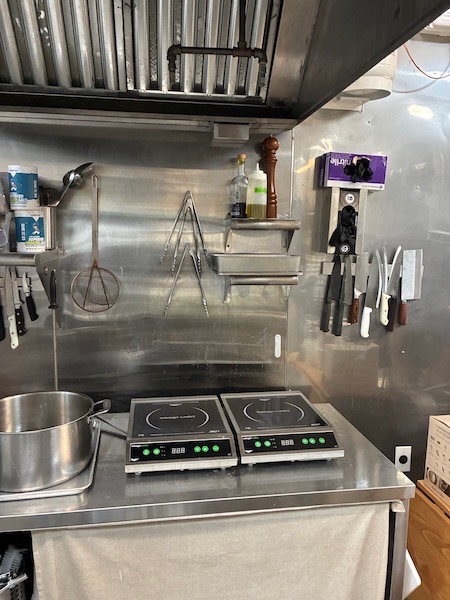
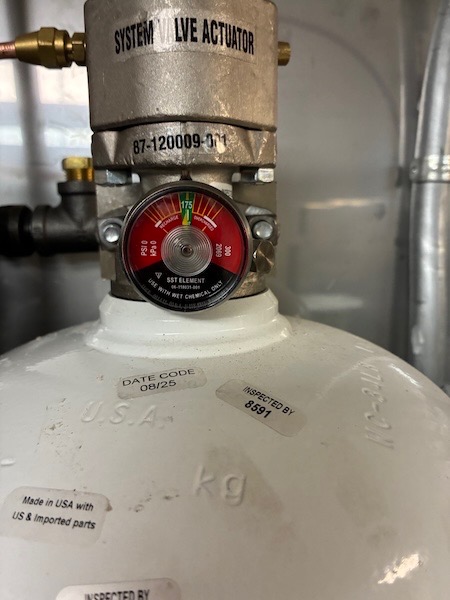
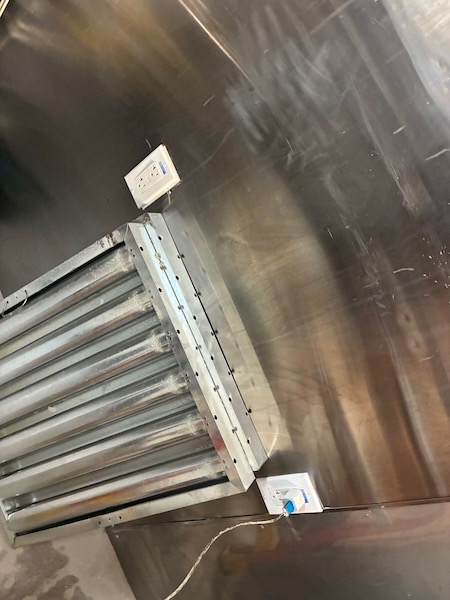
A New York City restaurant operator was preparing a former retail space for a new full-service commercial kitchen. The planned cooking line included fryers, a range, a griddle and a charbroiler beneath a new Type I exhaust hood. The project involved several separate trades, but the original plans did not fully coordinate the hood dimensions, appliance positions, suppression coverage and emergency shutoff requirements.
Before installation moved forward, Master Fire Mechanical reviewed the proposed cooking line and compared it with the hood and fire-suppression layout. The review identified areas where the planned nozzle positions would not properly align with the appliances and where future equipment movement could have created unprotected cooking hazards.
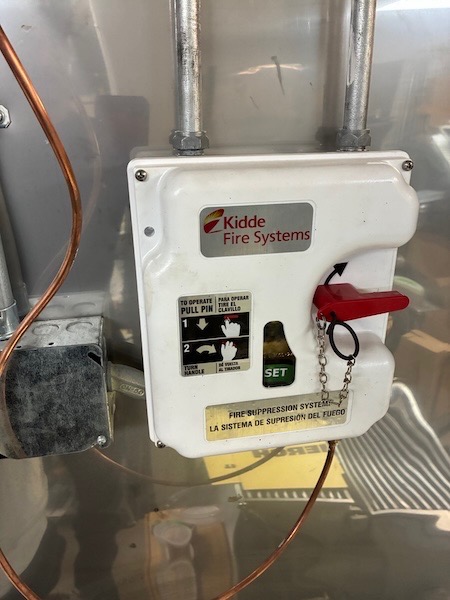
The design was revised so the hood, grease duct, wet-chemical suppression system, manual pull station and appliance shutoffs functioned as one coordinated system. Suppression piping and nozzle coverage were matched to the final equipment layout, and the activation controls were arranged to shut down the applicable cooking energy during a system discharge.
By resolving the conflicts before the walls and ceilings were closed, the project avoided field modifications, delayed inspections and the cost of rebuilding completed work. The restaurant opened with a commercial kitchen fire protection system designed around its actual appliances rather than a generic layout that no longer matched the cooking operation.

A commercial kitchen fire protection system must be designed as one coordinated life-safety system—not as a collection of unrelated equipment installed by separate contractors. The cooking appliances, Type I exhaust hood, grease duct, wet-chemical suppression system, fuel and electrical shutoffs, manual pull station, portable extinguishers, sprinkler coverage, exhaust fan and make-up air system must work together and match the kitchen’s actual layout.
Master Fire Mechanical provides commercial kitchen fire protection design-build services throughout New York City. We work with restaurant owners, architects, engineers, general contractors, property managers and institutional operators on new construction, restaurant renovations, equipment changes, tenant build-outs and the correction of existing fire-protection deficiencies.
The design-build process begins with the cooking operation. Fryers, ranges, griddles, charbroilers, woks, ovens and other appliances create different heat, grease and fire hazards. Their dimensions and positions determine the required hood coverage, exhaust capacity and suppression nozzle arrangement. Moving or replacing an appliance after the fire system has been designed can leave the cooking line improperly protected and may require revised plans, piping, nozzles or system components.
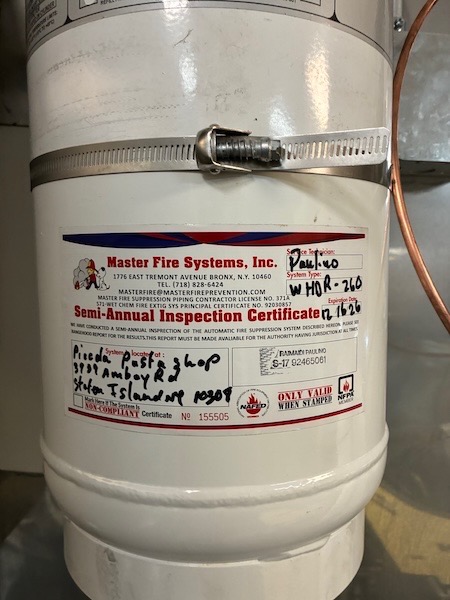
Our work may include field measurements, system evaluation, coordinated design, equipment selection, fabrication support, installation, appliance-specific nozzle placement, manual and automatic activation components, fuel or electrical interlocks, testing and documentation. We also coordinate related fire sprinkler, portable extinguisher, hood, duct and mechanical requirements when they are part of the commercial kitchen project.
New York City commercial kitchens are subject to overlapping fire, building and mechanical requirements. A properly coordinated project helps prevent failed inspections, costly redesigns, construction delays and unsafe gaps between the cooking equipment and its fire protection. Whether the project involves a new restaurant, a hotel kitchen, a school cafeteria, a hospital, a corporate dining facility or an existing kitchen being renovated, Master Fire Mechanical develops the fire-protection system around the real cooking hazards and operating needs of the space.

Commercial Kitchen Fire Protection Design-Build Questions
What is included in a commercial kitchen fire protection design-build project?
A design-build project may include site measurements, cooking-equipment review, Type I hood coordination, grease-duct protection, wet-chemical suppression design, nozzle placement, manual pull stations, automatic detection, fuel or electrical shutoffs, portable extinguishers, testing and project documentation.
Does the fire suppression system have to match the cooking appliances?
Yes. The suppression system must be designed around the type, size and location of the protected cooking appliances. Moving a fryer, range, griddle, charbroiler or other appliance can affect nozzle coverage and may require the system to be redesigned or modified.
Are commercial kitchen fire suppression systems required in NYC?
Commercial cooking operations that produce grease-laden vapors generally require an approved Type I hood and a listed fire-extinguishing system protecting the cooking appliances, hood, filters and associated grease-removal components.
Can one contractor coordinate the hood and fire suppression system?
Yes. A coordinated design-build approach allows the hood, grease duct, exhaust system, make-up air, cooking equipment and fire suppression system to be planned together, reducing conflicts between separate trades.
What happens when cooking equipment is changed after installation?
The existing suppression nozzles may no longer protect the correct hazard areas. The appliance layout and fire system should be reviewed before equipment is added, moved or replaced so piping, nozzles and system capacity can be adjusted when necessary.
Does the suppression system shut off gas and electricity?
The system is typically coordinated with the applicable fuel or electrical controls so protected cooking energy is shut down when the suppression system activates. The exact interlocks depend on the appliances and system design.
Does Master Fire Mechanical handle existing kitchen renovations?
Yes. Master Fire Mechanical provides design-build support for new commercial kitchens, tenant build-outs, restaurant renovations, equipment changes, system upgrades and the correction of existing fire-protection deficiencies throughout New York City.
Commercial Kitchen Fire Protection Design-Build Components
| System Component | Design-Build Function | Coordination Requirement | Primary Benefit |
|---|---|---|---|
| Cooking equipment layout | Identifies the location and hazard created by each appliance. | Must be finalized before hood and suppression nozzle placement. | Ensures the fire system protects the actual cooking operation. |
| Type I exhaust hood | Captures heat, smoke and grease-laden vapors above the cooking line. | Must match appliance dimensions, duty level and required coverage. | Supports safer ventilation and coordinated fire protection. |
| Grease duct system | Carries grease-laden exhaust from the hood to the approved discharge point. | Requires coordinated routing, access, clearances and fire protection. | Reduces concealed grease and fire hazards within the building. |
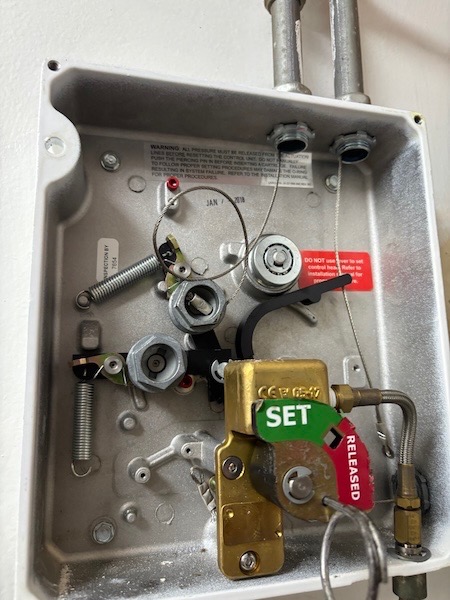
| Wet-chemical suppression system | Discharges extinguishing agent over protected appliances and hood components. | Nozzles, piping and system capacity must match the listed appliance hazards. | Provides automatic and manual fire control for the cooking line. |
| Manual pull station | Allows personnel to manually activate the suppression system. | Must remain visible, accessible and located along a path of escape. | Allows activation while personnel move away from the fire. |
| Fuel and electrical interlocks | Shut down applicable cooking energy when the suppression system activates. | Must be coordinated with the protected appliances and building controls. | Helps prevent continued heating and fire reignition. |
| Portable fire extinguishers | Provide accessible protection for cooking and other restaurant hazards. | Class, rating, quantity and placement must match the hazards and travel distances. | Provides a secondary response for manageable fires. |
Master Fire Mechanical
244 5th Ave p255
New York, NY 10001
(917) 336-8116
https://masterfiremechanical.com/
For more, see our guides to NYC commercial kitchen design-build and hood fabrication and commercial fire protection services in New York City.
Experienced Commercial Kitchen Design-Build and Legalization
A successful commercial kitchen project depends on early coordination. The cooking equipment, hood, grease duct, exhaust fan, make-up air, fire suppression system and utility controls must be planned around the same final layout. When one component changes without the others being reviewed, the project can face redesign, added construction costs and delays.
Master Fire Mechanical provides commercial kitchen design-build and legalization services for new restaurants, tenant build-outs, renovations and existing food-service spaces throughout New York City. We evaluate the project as a complete operating kitchen rather than treating ventilation, fire protection and cooking equipment as unrelated systems.
Start With an Evaluation of the Space
Owners taking over an existing restaurant should not assume that the former tenant’s systems are suitable for a new concept. Changes to the menu, appliances or cooking line may affect exhaust capacity, hood coverage, fire suppression nozzles, utilities and required corrections.
Call Master Fire Mechanical at (917) 336-8116 to discuss commercial kitchen design-build and legalization services in New York City.
Master Fire Mechanical ofrece diseño e instalación integral de sistemas de protección contra incendios para cocinas comerciales en la Ciudad de Nueva York. Coordinamos los equipos de cocina, la campana Tipo I, los conductos de grasa, el sistema de supresión química húmeda, las estaciones manuales, los controles de gas y electricidad y los extintores portátiles. Atendemos restaurantes, hoteles, escuelas, hospitales, cafeterías corporativas e instalaciones institucionales en Manhattan, Brooklyn, Queens, El Bronx y Staten Island. Para proyectos nuevos, renovaciones, cambios de equipos o correcciones de sistemas existentes, llame al (917) 336-8116.
No restaurant owner or property manager wants to gamble with FDNY inspections, fire safety violations, or system failures — and that’s why so many NYC businesses rely on Master Fire Mechanical. Since 1969 we are the trusted fire protection and commercial kitchen fire safety specialists serving New York City eating locals from Yonkers to the East Village, in Manhattan:
NoHo, and Midtown to Gravesend as well as many other great neighborhoods including Harlem, Washington Heights, and
Staten Island including: Fort George
We understand how stressful it can be to deal with failed inspections, violation notices, emergency shutdowns, and aging fire protection systems — especially when your business, staff, and customers are on the line. Our team works directly with restaurant owners, building managers, and contractors to correct issues quickly, document compliance properly, and keep systems operating safely.
From our Bronx-based operations, Master Fire Mechanical proudly serves all five NYC boroughs — including Manhattan, Brooklyn, Queens, The Bronx, and Staten Island — providing fire suppression systems, hood & duct protection, exhaust system support, sprinkler coordination, inspections, testing, maintenance, and violations removal.
Whether you’re opening a new restaurant, upgrading an existing commercial kitchen, responding to a failed FDNY inspection, or taking over a previously closed space, Master Fire Mechanical is here to protect your operation and keep you compliant.
Stay informed and inspection-ready:
Subscribe to our YouTube channel for short, practical fire safety videos, read our Blog (updated weekly with real NYC field insights), and follow us on Instagram for behind-the-scenes service work and compliance tips.